How to buy the best kitchen mixer
Benchtop mixers have advanced considerably since their first use in kneading bread and pizza dough. They've gone from mixing light cake batter to, well, anything.
You can now purchase add-on attachments to turn your machine into a pasta maker, blender, citrus press, and other sorts of mincers. They're also available in stylish colors that'll look fantastic on your benchtop.
Types of mixers
Making your own doughs and batters allows you and your family to consume much healthier alternatives, particularly if allergies or intolerances exist in the mix.
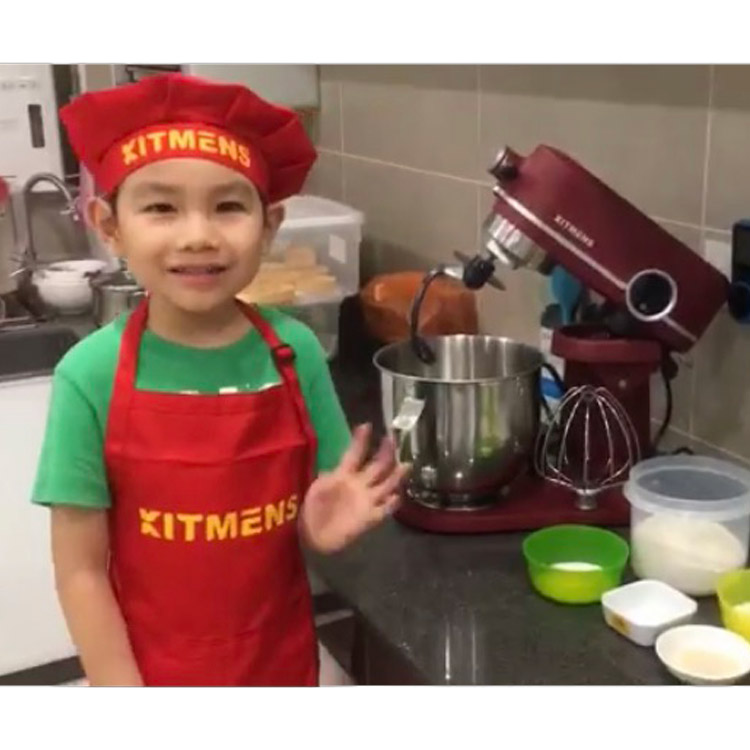
You may be confident that every component that goes into your meal is safe and easy to combine thanks to the blender's high-quality construction. You might even make more foods from scratch, like pasta for example, if you have a model with the ability and flexibility to accept extra attachments.
Choosing between single tool and twin attachments is the first step.
Single tool attachments
Single tool attachments are available on mixers with single tool attachments, allowing them to knead dough and handle heavier amounts. This type of mixer is for the serious and frequent cook who requires a more robust machine.
Twin tool attachments
Mixers with twin tool attachments are capable of whisking and mixing well, but they have trouble kneading heavy batters. They're a better option for the occasional cook than mixers with a single tool attachment, but you'll need to knead dough by hand if you're making it.
How much do stand mixers cost?
The models in our most recent kitchen mixers evaluation are available for $100 to $1499. However, price was not always a good predictor of quality – there were both lower and higher priced versions that performed well or otherwise.
Some models include more features and sturdy benchtops, giving increased stability when performing heavy-duty activities such as dough kneading. However, benefits like these are often accompanied by hefty price tags.
In addition, you'll find attachments available for purchase that can turn your mixer into pasta makers, spiralizers, and ice cream makers. However, these add-ons aren't always inexpensive. In some circumstances, we discovered they could cost as much as $80 to more than $300.

Features to look for
Storage
Will your mixer be on display in the kitchen or hidden away? If you're going to lay your mixer down, make sure it fits into a cupboard. Mixers are heavy, bulky, and difficult to store due to their size and weight. Keep this in mind if you want to hide yours.
Most modern models are available in a variety of colors and patterns, so if you have room on your bench, they're worth putting on display.
Heavy-duty beater
It is highly probable that this accessory will be the most frequently used attachment for baking cakes and savory dishes.
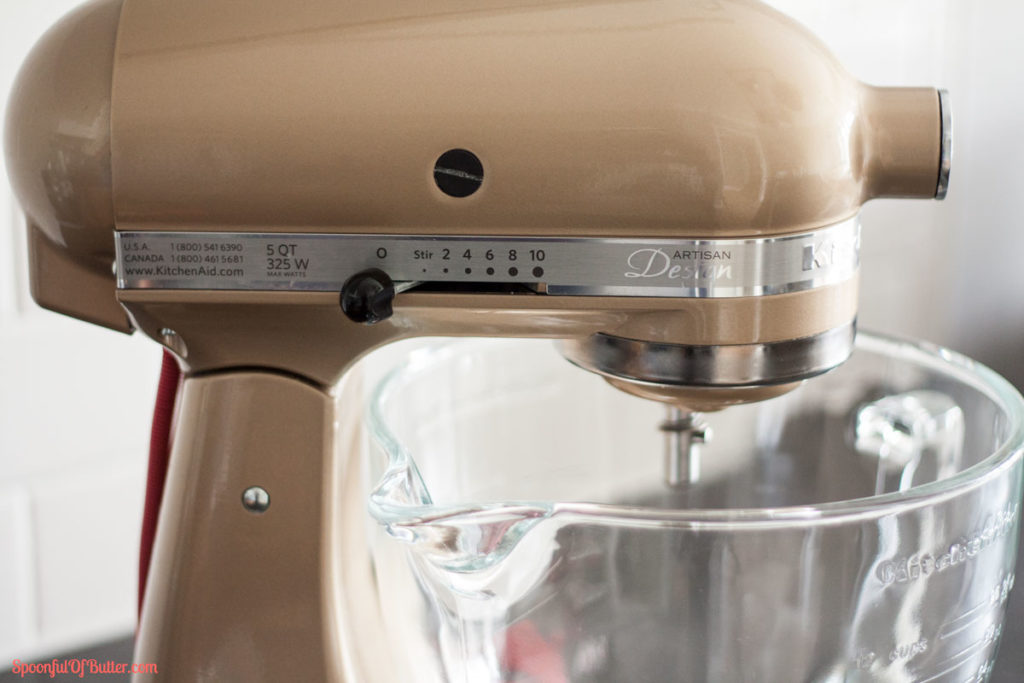
Scraper beaters
A scraper with a beveled edge that goes around the rim and improves mixing. They're becoming more popular all the time.
Whisk attachment
For making foamy, whipped mixes, they're ideal.
Single dough hook
This attachment is particularly useful if you produce a lot of bread.
Optional accessories
Some mixers come with additional attachments that allow you to use the machine as a multipurpose device, such as a meat grinder or pasta maker.
Splash guard
When mixing, a splash guard will prevent ingredients from leaking out of the bowl and creating a mess. It's also useful for preventing an unexpected flour or liquid shower.
The guard should attach to the motor head so that when the motor head is lifted, it lifts away from the bowl. This makes scraping down the bowl easier because you'd have to remove the guard every time you want to clean out the bowl.
Some guards include a chute for adding ingredients into the bowl without having to stop the machine and lift the motor head.
Speed settings
A variety of speed settings is recommended. Six speeds are usually sufficient. Look for:
the mixer will last a long time because its low speed is used for kneading and folding
For butter, sugar and very thick batters, the mixing speed is usually 60 to 120 beats per minute.
The conventional speed for cream, egg whites, and meringues is 150 to 250 miles per hour (80-160 km/hr).


Comments
Post a Comment